Magazine

Magazine

Here we would like to share the news from the laboratory world. You will regularly find new information on regulatory topics, including additions to our product range or background knowledge on analytical topics.

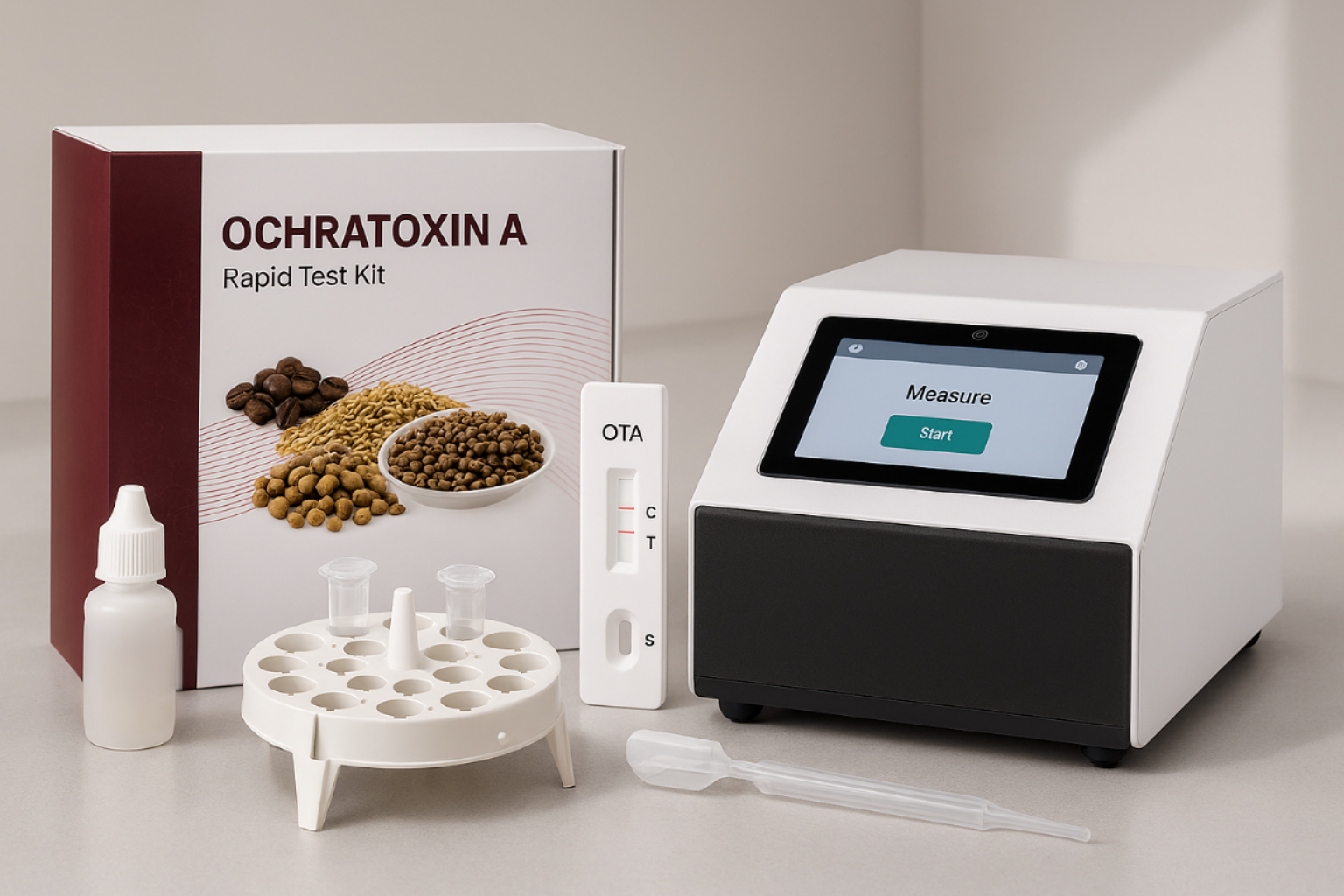
Assessment of Results from OTA Rapid Tests

We are frequently asked how CR3-Analytik evaluates the results of various OTA rapid tests. There are different providers on the market, offering tests either as test strips (similar to COVID lateral flow assays) or as “immunochromatographic rapid tests.”
read more

MOSH-MOAH – Application of Limit Values – Update

In January 2024, we reported that the EFSA opinion and SCoPAFF statement on MOAH have led German authorities to adopt the analytical limits of quantification for MOAH (C10–C50) as regulatory limits. The latest draft (Version 7) of the amendment to Regulation (EU) 2023/915 now sets maximum limits for MOAH in certain foods.
read more

Propylene Glycol in Flavoured Coffee: Why testing matters and how we can help

Flavoured coffee is becoming increasingly popular. This trend raises the importance of propylene glycol (E 1520), a commonly used carrier for flavours, enzymes and colorants. For coffee products, this substance is a key factor when it comes to product safety and regulatory compliance.
read more

Furan and Methylfurans in Coffee

Furan and methylfurans are formed when foods are heated, including during the roasting of coffee. Furan is suspected of being carcinogenic and hepatotoxic based on studies conducted in rats and mice.
read more

Update: Change to the residue definition for phosphonic acid and new maximum residue levels

As already announced in our magazine article from November 2024, the residue definition for the active substance fosetyl-Al was changed on April 29, 2025.
read more

Fast and Reliable Analysis of Ochratoxin A at CR3-Analytik

In recent years, ochratoxin A (OTA) has gained increasing importance in the trade and processing of coffee and is often regarded as a critical control parameter. Reliable results delivered in the shortest possible time are therefore essential for making well-informed decisions.
read more